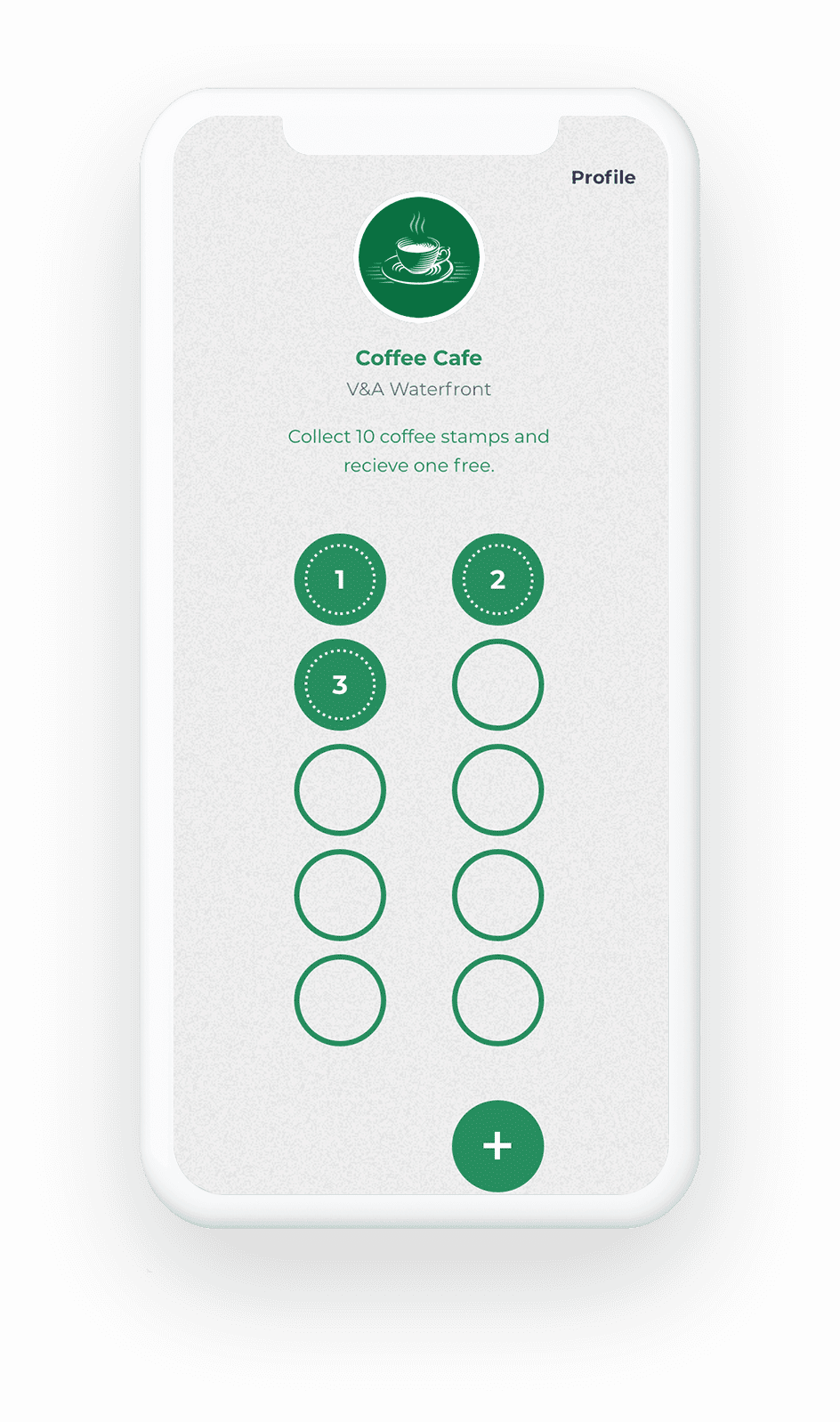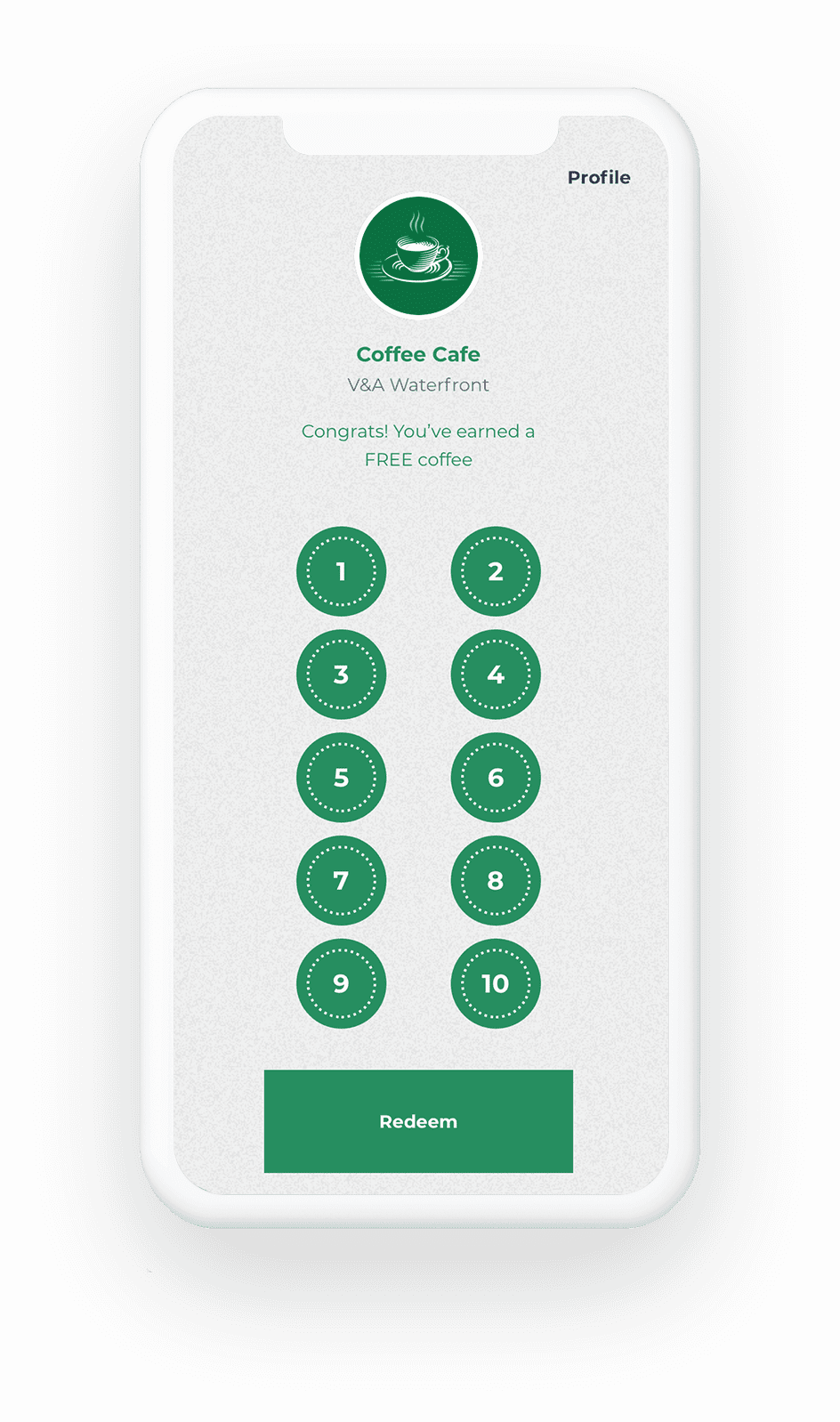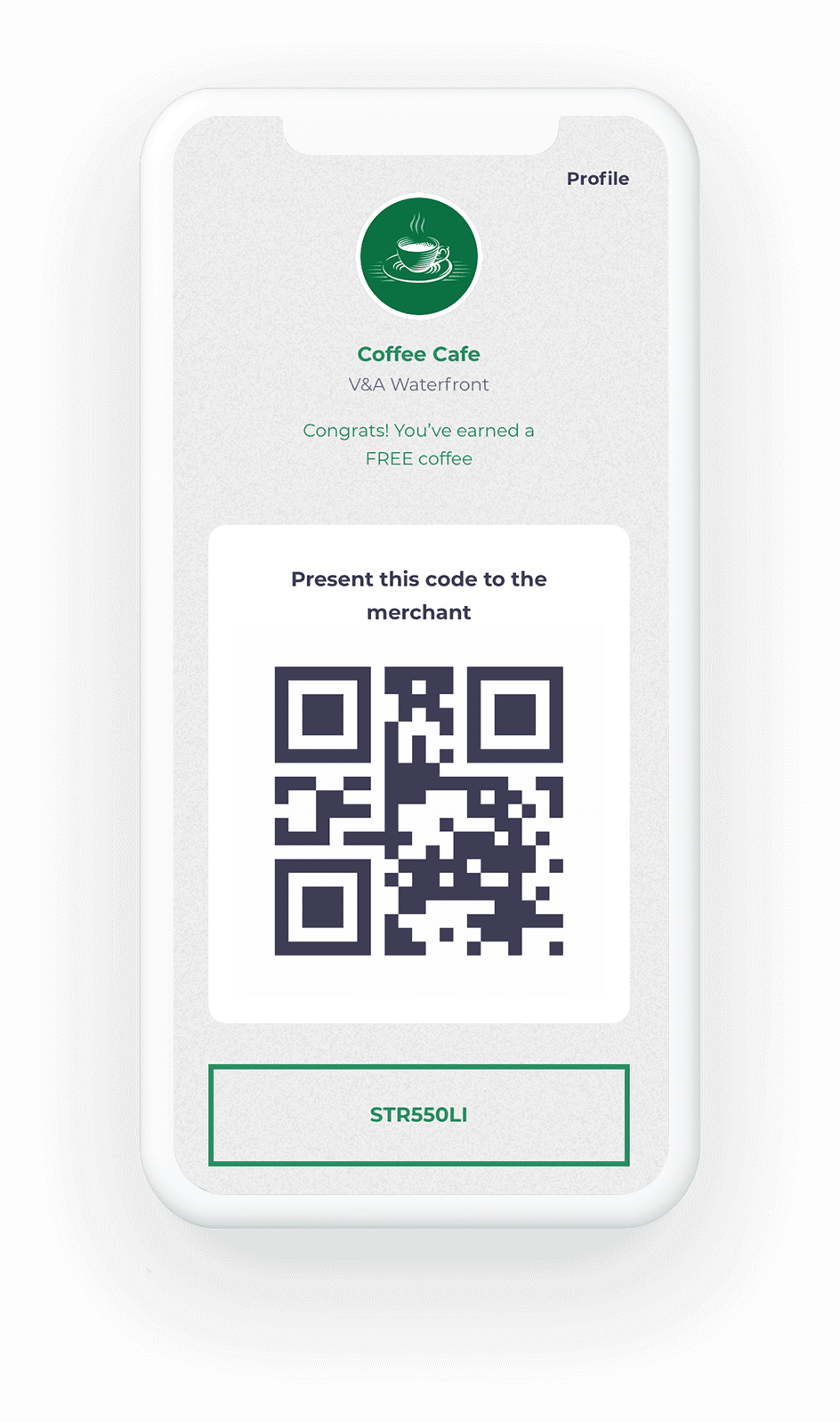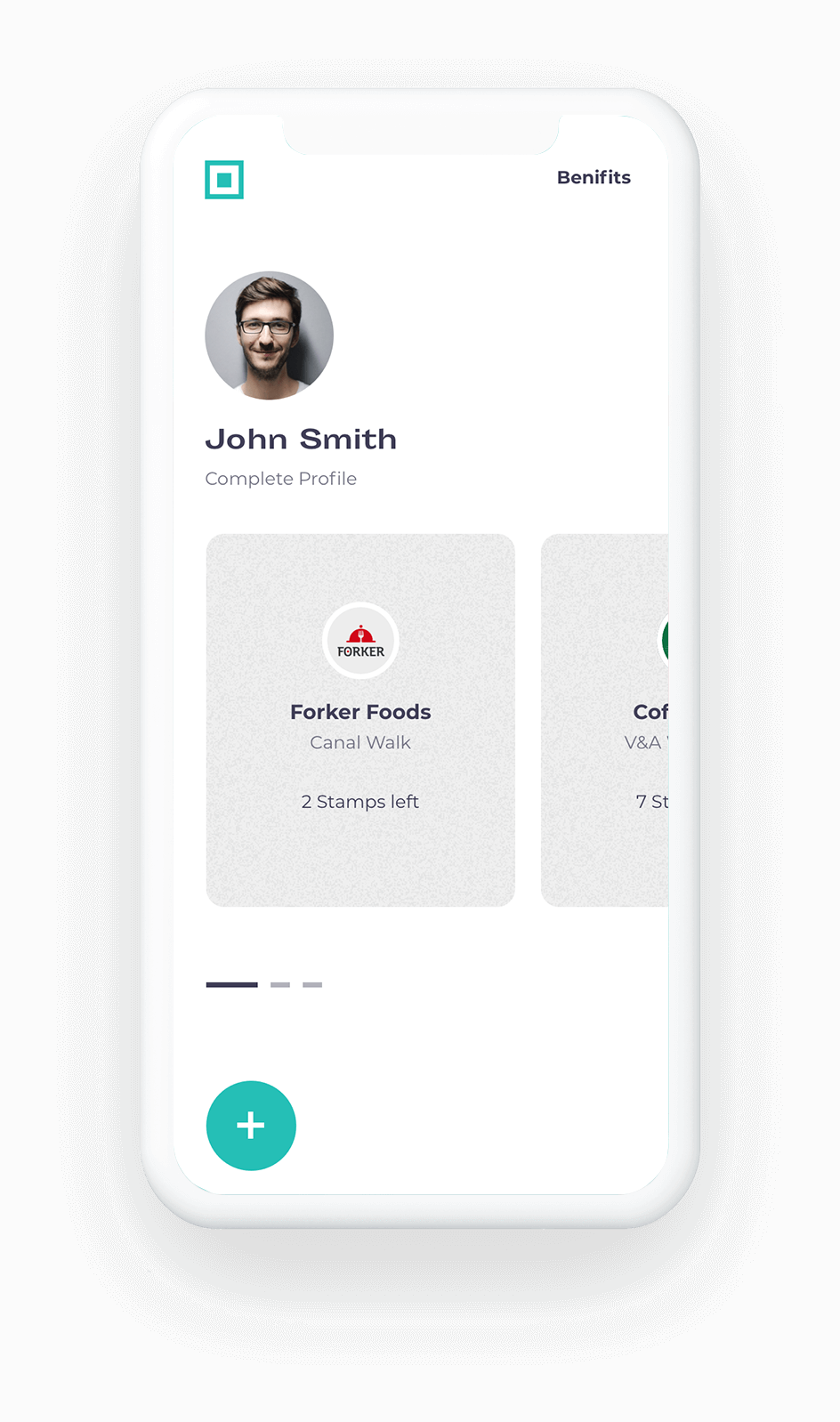

A well-executed loyalty card program can be a powerful tool to retain existing customers while attracting new ones. However, managing such programs effectively requires careful planning, strategic implementation, and continuous optimization. This article explores essential tips and strategies for successful loyalty card program management.
Before diving into management tips, it’s important to understand why loyalty card programs matter. These programs are designed to reward customers for repeat business, encouraging them to choose your brand over competitors. Offering incentives such as discounts, exclusive offers, or free products/services, builds stronger customer relationships, increases retention rates, and ultimately boosts revenue.
The first step in managing a successful loyalty card program is establishing clear objectives and goals. Ask yourself: What do you want to achieve with this program? Is it to increase customer retention, boost average transaction value, or gather valuable customer data? Defining specific goals will guide your strategy and help measure the program’s success.
For instance, a coffee shop might aim to increase weekday foot traffic by 20% through its loyalty program, and an online retailer might focus on converting first-time buyers into repeat customers with personalized offers.
Understanding your customer base is essential for tailoring your loyalty card program effectively. Segment your customers based on demographics, purchasing behavior, and preferences. This segmentation allows you to create personalized rewards and offers that resonate with different customer groups.
For example, a luxury hotel might offer exclusive spa vouchers to high-spending guests, while budget-conscious travelers might appreciate discounts on future bookings.
Effective communication is key to keeping participants engaged in your loyalty card program. Regularly update customers on their points balance, special offers, and upcoming rewards through multiple channels such as email, SMS, and in-app notifications. Personalize communications whenever possible to make customers feel valued and appreciated.
Continuous monitoring and analysis are essential to optimizing your loyalty card program. Track key metrics such as redemption rates, customer participation, and ROI to identify what’s working and where improvement is needed. Use analytics tools to gain insights into customer behavior and preferences, allowing you to refine your rewards strategy accordingly.
Harness the power of word-of-mouth marketing by incentivizing referrals and social sharing within your loyalty program. Offer bonus points or exclusive rewards to customers who refer friends or share their experiences on social media. This not only attracts new customers but also reinforces loyalty among existing ones.
The business landscape is constantly evolving, and so should your loyalty card program. Stay flexible and be prepared to adapt to changes in customer preferences, market trends, and technology advancements. Regularly solicit feedback from your participants and incorporate their suggestions to keep the program fresh and relevant.
Several businesses have successfully implemented and managed loyalty card programs to drive customer engagement and loyalty:
In conclusion, a well-managed loyalty card program can be a game-changer for businesses looking to build lasting customer relationships. By defining clear goals, leveraging technology effectively, and continuously optimizing based on customer insights, business owners can create a program that retains existing customers, while attracting new ones through personalized experiences and valuable rewards. Embrace these management tips to unlock the full potential of your loyalty card program and drive sustainable growth in today’s competitive market.
Fill out the form below and one of our consultants will get in touch with you.